

Gising ng 3AM at Hindi Makabalik sa Tulog

Gising ng 3AM at Hindi Makabalik sa Tulog? Here’s the “Reset” Routine (Taglish Guide)

Kung pagod ka na pero gising pa rin ang utak (“tired but wired”), you’re not alone. This guide gives a calm, safety-first way to break the 3AM loop—without panic scrolling.

4 min read

Quick answer (TL;DR)

Kung lagi kang nagigising ng 3AM tapos hindi na makabalik sa tulog dahil sa overthinking, madalas itong nangyayari kapag “on” pa rin ang stress response ng katawan mo (tired-but-wired). Hindi ito automatic na “may sakit ka”—pero signal ito na kailangan ng katawan mo ng reset: routine, environment, and (optional) safe support.

  • Tonight goal: stop the panic loop + calm your body enough to drift back to sleep.

  • This week goal: reduce the triggers that keep waking you up at 3AM.

  • Optional support: some people explore “nervous system support” supplements once basics are fixed.

Important safety note: If you have chest pain that feels severe, fainting, severe shortness of breath, one-sided weakness/numbness, or anything that feels like an emergency—don’t self-diagnose via Google. Seek urgent medical care.

Affiliate disclosure: This article may contain affiliate links. If you buy through them, we may earn a commission at no extra cost to you.

If you want the full product breakdown (ingredients, pros/cons, and safety notes), read: KeepCalm Review Philippines (2026).
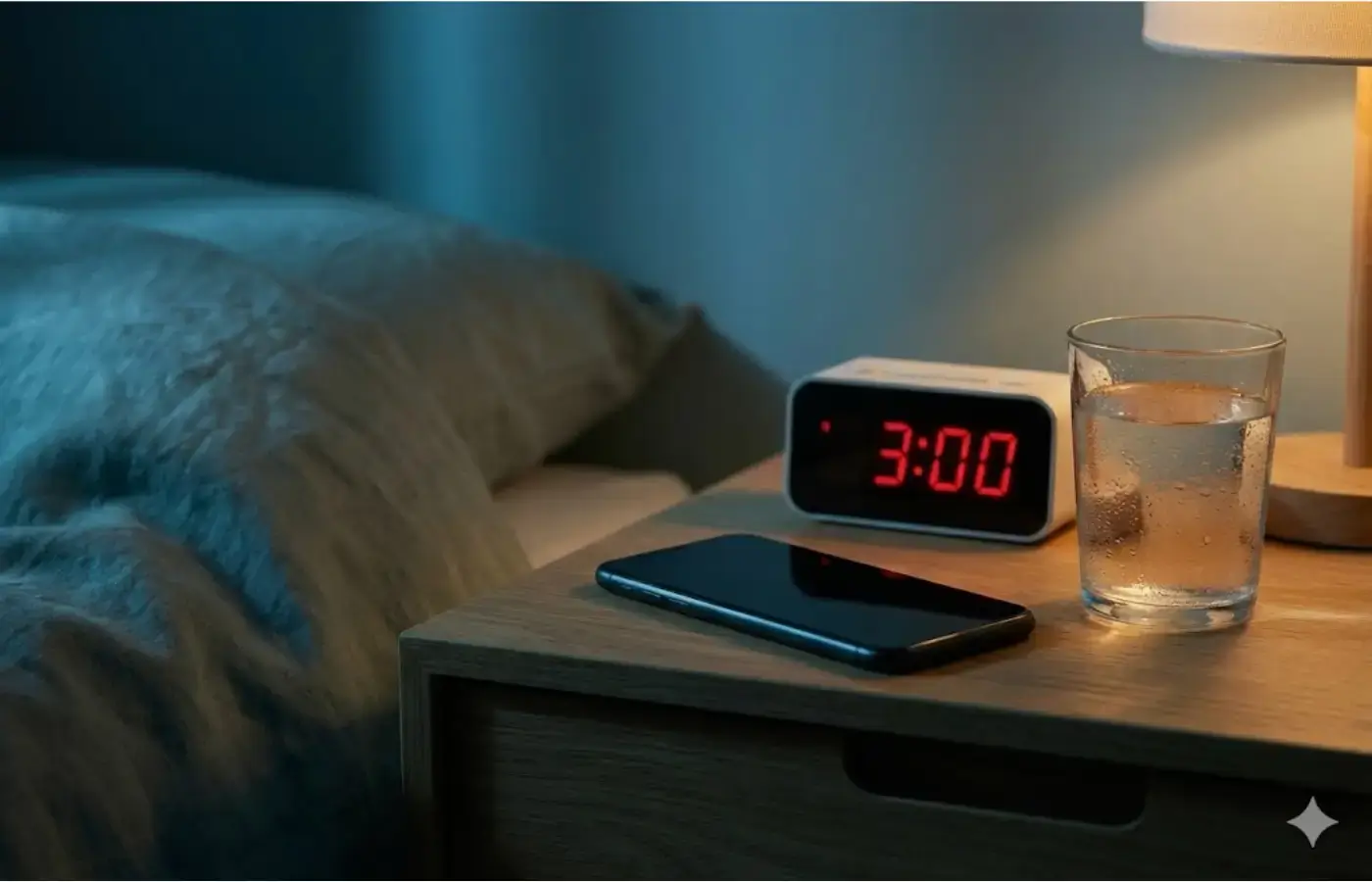
Filipino professional awake at 3AM, tired-but-wired and overthinking

Bakit 3AM ka nagigising? (Taglish explanation)

Yung 3AM waking pattern usually feels like this:

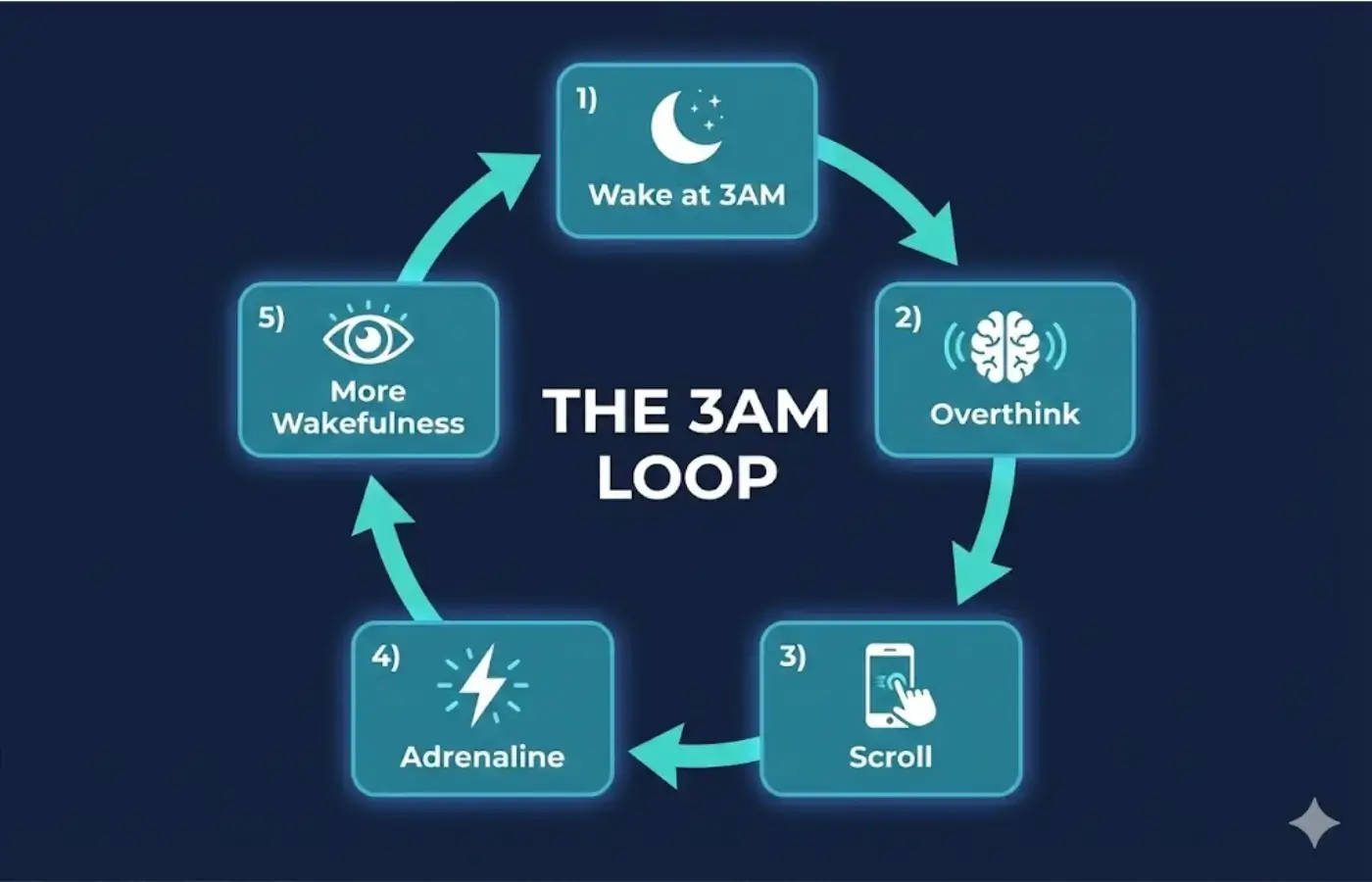
  1. Gising ka bigla (minsan may kaba/bigat sa dibdib).

  2. Babawi ka sana ng tulog… pero “meeting” na yung utak mo.

  3. Magpo-phone ka para ma-distract… then mas nagigising ka lalo.

  4. Magpapanic ka kasi “mamaya umaga na” → mas lalong hindi makatulog.

This is why people call it tired but wired: pagod ang katawan, pero active ang stress response.

Common triggers (hindi ka “mahina” — may triggers lang)

1) Stress load (work/parenting/Judith/traffic)

Kapag laging mataas ang stress, mas madaling ma-stuck ang body sa “alert mode.” Minsan kahit tulog ka na, nagigising ka dahil hindi pa fully safe mode ang system.

2) Caffeine timing

Kahit “sanay ka sa kape,” caffeine can still make your body act like it’s anxious: kabog, jitters, racing thoughts. Try a cutoff window (details below).

3) Blue light + doomscrolling

Phones at night are a double hit: blue light + mental stimulation. Kahit “pang-relax,” it keeps your brain “online.”

4) Alcohol / heavy late meal / acid reflux

Some people notice 3AM waking when reflux/heartburn flares, or after a heavy late meal. If this sounds like you, consider earlier dinner + lighter meals, and talk to a clinician if reflux symptoms are persistent.

5) Night shift / irregular schedule

Kung paiba-iba ang tulog (especially BPO/night shift), your body clock gets confused. You’ll want a stricter “sleep boundary” routine.

Rule #1 at 3AM: don’t negotiate with your thoughts

Overthinking at 3AM is rarely “solved” by thinking harder. The goal is to calm the body first. Once calm ang katawan, humihina ang mental noise.

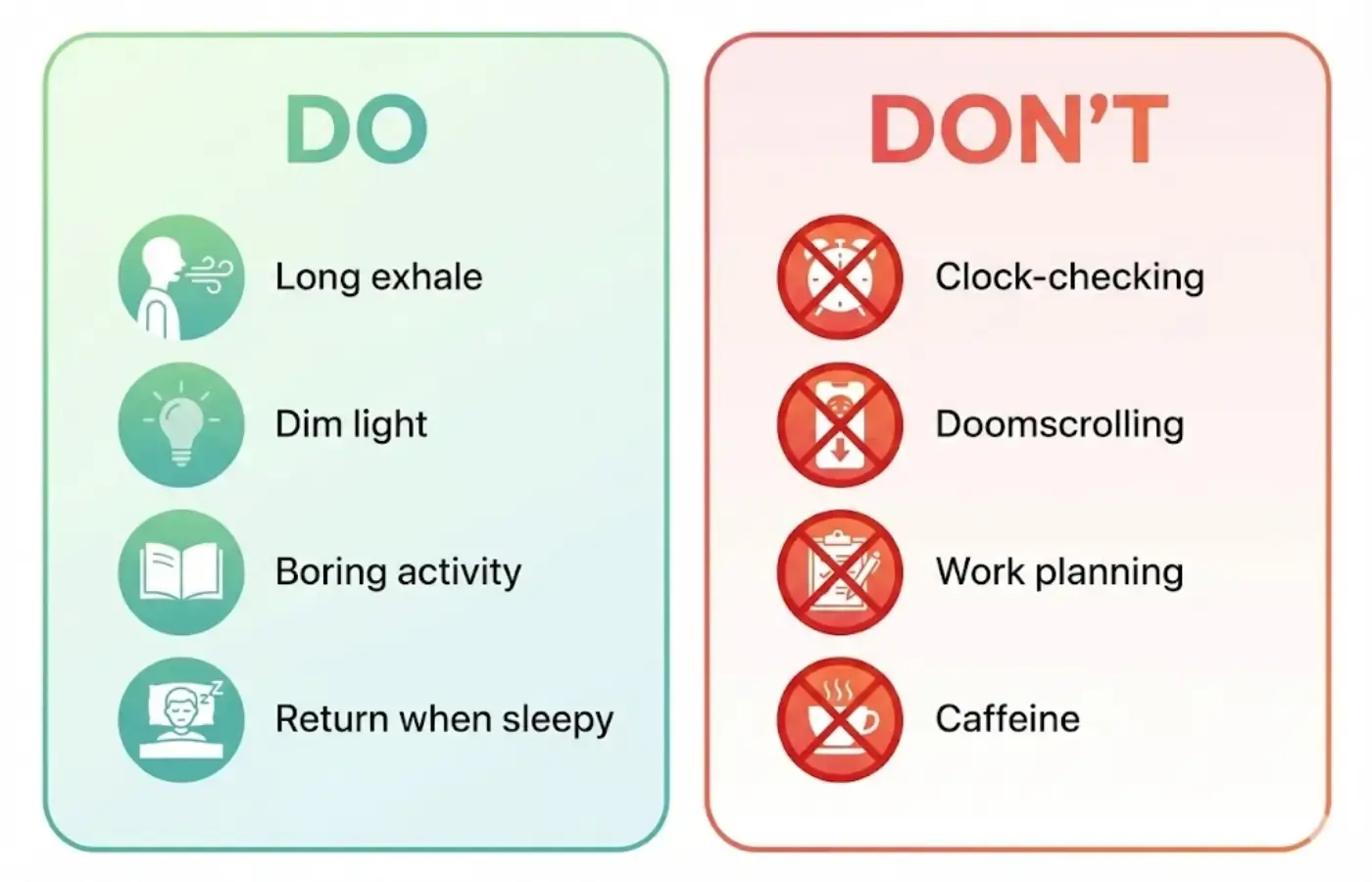
3am checklist

The 3AM Reset Protocol (10 minutes max)

  1. 1

    Stop the clock-checking

    Turn your phone face down. Don’t check the time again. Clock-checking trains your brain to panic.

  2. 2

    1 long exhale

    Inhale slowly through the nose, then do one long relaxed exhale (longer than inhale). Repeat 3 times.

  3. 3

    Name it, don’t fight it

    Say quietly: “This is stress. It will pass.” Fighting it creates more adrenaline.

  4. 4

    Low-stimulation reset

    If you’re still awake after ~10 minutes, sit up and do something boring: dim light, sip water, read 1–2 pages of a calm book. No social media.

  5. 5

    Return to bed with a cue

    When you feel even slightly sleepy, return to bed. Use a cue like “safe now” (same words every time).

  6. 6

    Next-day prevention: caffeine cutoff

    Try caffeine cutoff 8 hours before bedtime (or earlier if sensitive). Start with small changes.

  7. 7

    Next-day prevention: a 2-minute “day shutdown”

    Before dinner, list tomorrow’s top 3 tasks on paper. Your brain stops “reminding you” at 3AM when it trusts the plan exists.

Simple diagram showing the 3AM waking loop: wake → overthink → scroll → adrenaline → wake
Break the loop by calming the body first.

“Okay, but what if I need extra support?” (safe decision notes)

After you implement the basics (sleep boundary, caffeine timing, and the 3AM reset), some people explore additional support—especially if the pattern is stress-driven.

  • Dark room, cool temp, quiet

  • Phone out of reach

  • Simple breath cue every night

  • Write the “tomorrow plan” before dinner

Option B: targeted “nervous system” support (for tired-but-wired people)

KeepCalm is positioned as a “nervous system balancer” (not a knock-out sleeping pill). The core idea is to support relaxation + sleep timing so you wake up less “lutang” the next day.

Safety note: If you’re pregnant/breastfeeding, under 18, or taking prescription meds, consult a clinician before starting any supplement.

If you want the detailed breakdown (pros/cons, ingredients, who should avoid), see: KeepCalm Review Philippines (2026).
Bottom line

3AM waking is common in high-stress seasons. The fastest improvement usually happens when you stop the panic loop, reduce stimulation at night, and build one repeatable reset routine. Once that foundation is in place, optional support becomes clearer and safer.

Frequently Asked Questions

Bakit ako laging nagigising ng 3AM?
Common triggers include stress load (“tired but wired”), caffeine timing, blue light/doomscrolling, reflux/heavy late meals, and irregular schedules. If symptoms feel severe or unsafe, consult a clinician.
Paano tumigil ang pag-iisip sa gabi?
Don’t negotiate with thoughts at 3AM. Calm the body first (long exhale, low light, boring activity). Then use a “tomorrow plan” on paper earlier in the day so your brain stops reminding you at night.
Normal ba ang bigat sa dibdib kapag stressed?
Stress can feel physical for many people, but chest symptoms can also be serious. If you have severe chest pain, fainting, or severe shortness of breath, seek urgent medical care.
Okay ba mag-melatonin araw-araw?
Some people use melatonin short-term, but responses vary. Use label guidance and consider medical advice if you have ongoing sleep issues, pregnancy/breastfeeding, or medications.
Ano ang “tired but wired”?
Pagod ang katawan pero active pa rin ang stress response—so your mind stays on even when you want to sleep.
Ano ang fastest routine kapag nagising ako?
Stop clock-checking, do long exhales, avoid phone scrolling, and do low-stimulation reset if needed.
May supplement ba para sa overthinking at 3AM waking?
Some people explore “nervous system support” supplements after fixing the basics. For product-specific guidance, review the ingredients, safety notes, and disclaimers first.

References

  1. [1] Insomnia management overview Source (Accessed: 2026-02-02)
  2. [2] `Caffeine effects on subsequent sleep (systematic review/meta-analysis) Source (Accessed: 2026-02-02)
  3. [3] Blue light influence on sleep/performance/wellbeing (systematic review) Source (Accessed: 2026-02-02)
  4. [4] Occupational stress and sleep quality (systematic review) Source (Accessed: 2026-02-02)
View Official KeepCalm Offer