
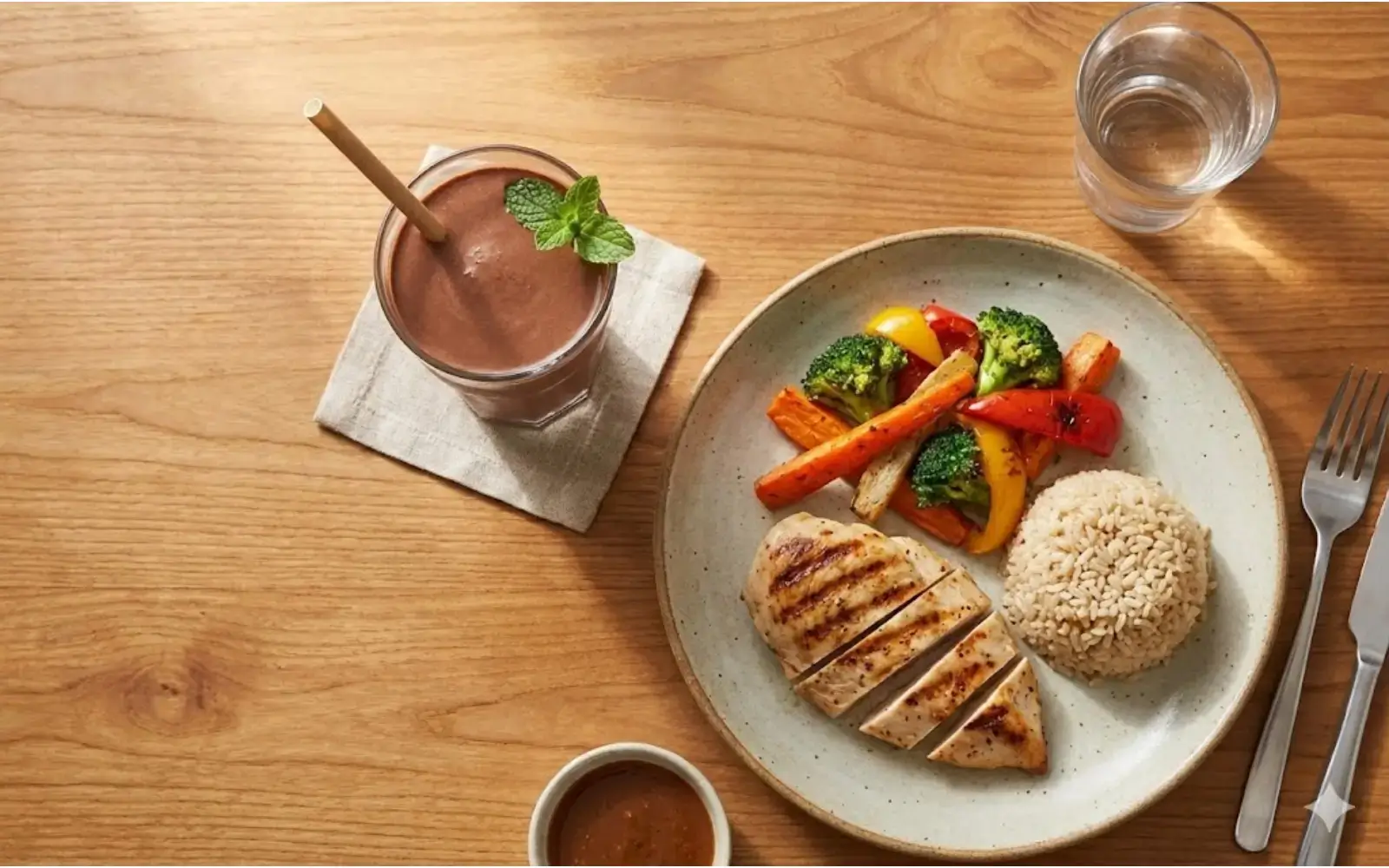
Balanced meal with shake as support - not replacement for all eating

Meal Replacement Shake Philippines: Paano Gamitin Safely

Not a magic solution—but can be part of a healthy approach when used properly.

3 min read

Quick Answer (TL;DR)

If you're considering a meal replacement shake:

  • What it is: A shake designed to replace one meal (not all meals). Provides convenience when you can't prepare a full meal.
  • What it's NOT: A "melt fat overnight" solution or replacement for all eating.
  • Safe use: Replace maximum 1 meal/day. Eat balanced whole foods for other meals. Maintain adequate calories.
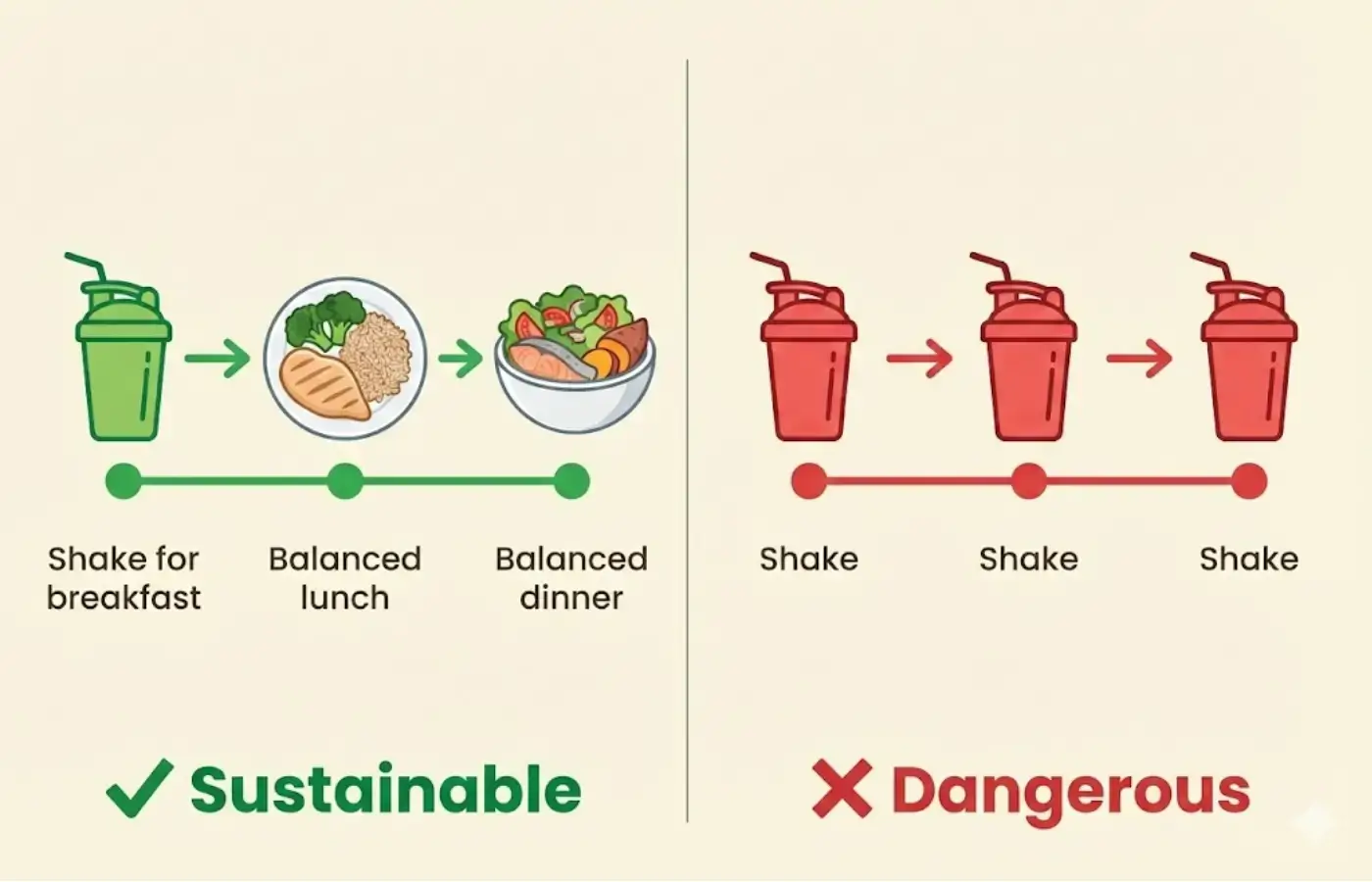
  • Danger zone: Replacing ALL meals with shakes = extreme restriction = harmful. Don't do this.

Important Reality Check

Weight management comes from overall lifestyle: balanced eating + regular activity + adequate sleep + stress management. A shake is a tool at best—not the solution.

Affiliate disclosure: This article may contain affiliate links.

For a specific product review, see: Shake & Slim Review Philippines (2026).
What is a Meal Replacement Shake?

A meal replacement shake is a convenience product designed to provide nutrition when you can't eat a full meal.

Typical Use Cases

  • Busy mornings when you'd otherwise skip breakfast
  • Office situations where healthy food isn't available
  • Travel days with limited options
  • Post-workout when you need quick nutrition

What About "Slimming Shakes"?

Products marketed as "slimming shakes" (like Shake & Slim) often add ingredients for:

  • Satiety: Fiber (like glucomannan) to help you feel full [1]
  • Energy: Caffeine sources (like guarana/green tea) [3][4]
  • Extras: Collagen, glutathione, etc.

These don't change the fundamental principle: they're tools, not magic solutions.

Meal Replacement vs Supplement

TypeDesigned ForWhat to check
Meal replacementReplace one mealNutrition varies by product (calories, protein, fiber, micronutrients)
Supplement / add-onAdd support (not replace meals)Ingredients (fiber/caffeine), label dosage, contraindications

Check the label to understand what you're getting.

Who Should (and Shouldn't) Use Meal Replacements

✅ May Be Appropriate For

  • Adults with healthy relationship with food
  • Those wanting convenience for occasional meal substitution
  • People who'd otherwise skip meals entirely
  • Under dietitian/clinical supervision for specific programs

❌ NOT Appropriate For

  • Children and adolescents (growing bodies need whole foods)
  • Pregnant or breastfeeding women
  • People with eating disorders or disordered eating patterns
  • Those with restrictive diet history
  • Anyone planning to replace ALL meals with shakes
  • People with diabetes, kidney disease, or metabolic conditions (consult clinician first)

⚠️ Warning Signs You're Misusing

  • Feeling weak, dizzy, or extremely tired
  • Obsessing over the scale or calorie numbers
  • Replacing more than one meal daily with shakes
  • Fear of eating regular food
  • Social withdrawal around meals

If any of these apply, stop and consult a healthcare professional.

Infographic: Meal replacement as support alongside balanced meals
The right way vs. the dangerous way to use meal replacements.

Safe Meal Replacement Use

  1. 1

    Replace maximum one meal daily

    Keep other meals as balanced whole foods. Never replace all meals with shakes.

  2. 2

    Maintain adequate nourishment

    Avoid extreme restriction. If you feel weak, dizzy, or constantly hungry, reassess and consult a clinician or dietitian.

  3. 3

    Choose the meal that makes sense for you

    Busy mornings? Replace breakfast. Otherwise eat whole foods when you can.

  4. 4

    Read the nutrition label

    Know what you're consuming: calories, protein, sugar, fiber, caffeine.

  5. 5

    Pair with balanced eating patterns

    Your other meals should include vegetables, lean protein, whole grains, healthy fats.

  6. 6

    Stay active

    Weight management isn't just about eating less—it's about moving more too.

  7. 7

    Monitor how you feel

    Energy levels, mood, hunger, bowel movements. Persistent issues = reassess.

  8. 8

    Set realistic expectations

    Sustainable change is usually gradual. Avoid “rapid loss” promises; focus on habits you can maintain.

Red Flags: When to STOP and Seek Help

  • Severe fatigue or weakness (signs of inadequate nutrition)
  • Dizziness or fainting
  • Heart palpitations (especially if shake contains caffeine)
  • Obsessive thoughts about food/weight
  • Hair loss or skin changes (nutrient deficiency signs)
  • Missing periods (female)

These are signs something is wrong. Stop the restrictive pattern and consult a clinician.

The Bottom Line

Meal replacement shakes can be a convenience tool—not a weight loss miracle. Use sparingly, maintain balanced eating, and focus on sustainable lifestyle habits.

Looking for a specific product review? Read our verification-first analysis:

Shake & Slim Review Philippines (Ingredients + Safety + FDA Status)

Frequently Asked Questions

Safe ba mag-meal replacement shake araw-araw?
For one meal daily, generally yes for healthy adults. Replacing all meals = not safe. Eat balanced whole foods for other meals.
Gaano kabilis mawawala ang weight?
There’s no guaranteed timeline. Sustainable change is usually gradual, and “rapid loss” promises are often misleading. Focus on habits you can maintain long-term.
Pwede ba for breakfast na lang?
Yes—replacing breakfast is common. Just ensure you eat balanced meals for lunch and dinner.
Safe ba for diabetics?
Consult your doctor first. Some shakes contain sugar or ingredients that affect blood sugar. Diabetes requires careful nutrition management.
Ano ang difference ng meal replacement at regular supplement?
Meal replacements are designed to replace a full meal (higher calories, more complete nutrition). Supplements are additions to, not replacements for, meals.

References

  1. [1] Onakpoya I, et al. Glucomannan and weight outcomes (systematic review/meta-analysis). 2014. Source
  2. [2] Health Canada (NNHPD). Glucomannan monograph (water + choking warning + meds timing language). 2024. Source
  3. [3] Patrick M, et al. Safety of Guarana Seed as a Dietary Ingredient: A Review. 2019. Source
  4. [4] NCCIH (NIH). Energy drinks (caffeine safety context). Source
  5. [5] FDA Philippines Verification Portal. -- Source
Read Shake & Slim Review