
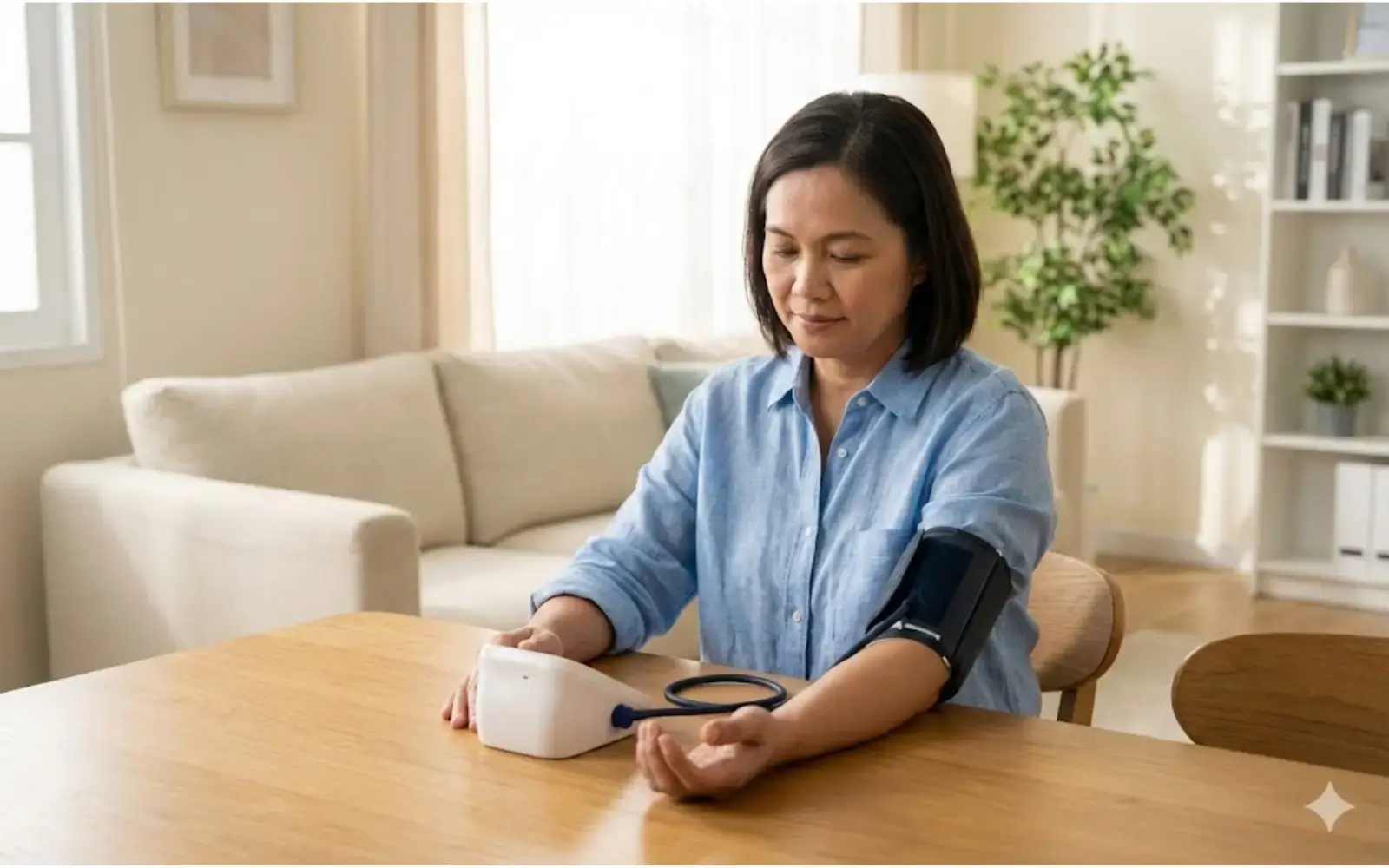
Filipino adult learning to use home blood pressure monitor correctly

Sakit sa Batok: High Blood ba Talaga?

Myth: "Kapag masakit ang batok, mataas ang BP." Reality: Hindi ganoon kasimple. Let's separate fact from Filipino folk belief.

3 min read

Quick Answer (TL;DR)

The belief that "sakit sa batok = high blood" is a common Filipino folk health belief—but it's not reliably supported by research.

  • The myth: Many Filipinos believe back-of-head pain (batok) is a reliable symptom of high blood pressure.
  • The reality: Studies show that high BP is often asymptomatic (no symptoms). You cannot rely on how you "feel" to know your BP.
  • The danger: Waiting for symptoms may delay detection. Hypertension is called a "silent killer" for a reason.
  • The solution: Check your BP with a monitor, not by waiting for sakit sa batok.

🚨 Get urgent help now if...

  • Severe headache with vision changes or confusion
  • Chest pain or pressure
  • One-sided weakness, facial droop, trouble speaking (stroke signs)
  • Severe shortness of breath or fainting

These may indicate a medical emergency. Seek urgent care immediately.

Affiliate disclosure: This article may contain affiliate links.

For a full review of heart/BP support options, see: HeartWell Review Philippines (2026).
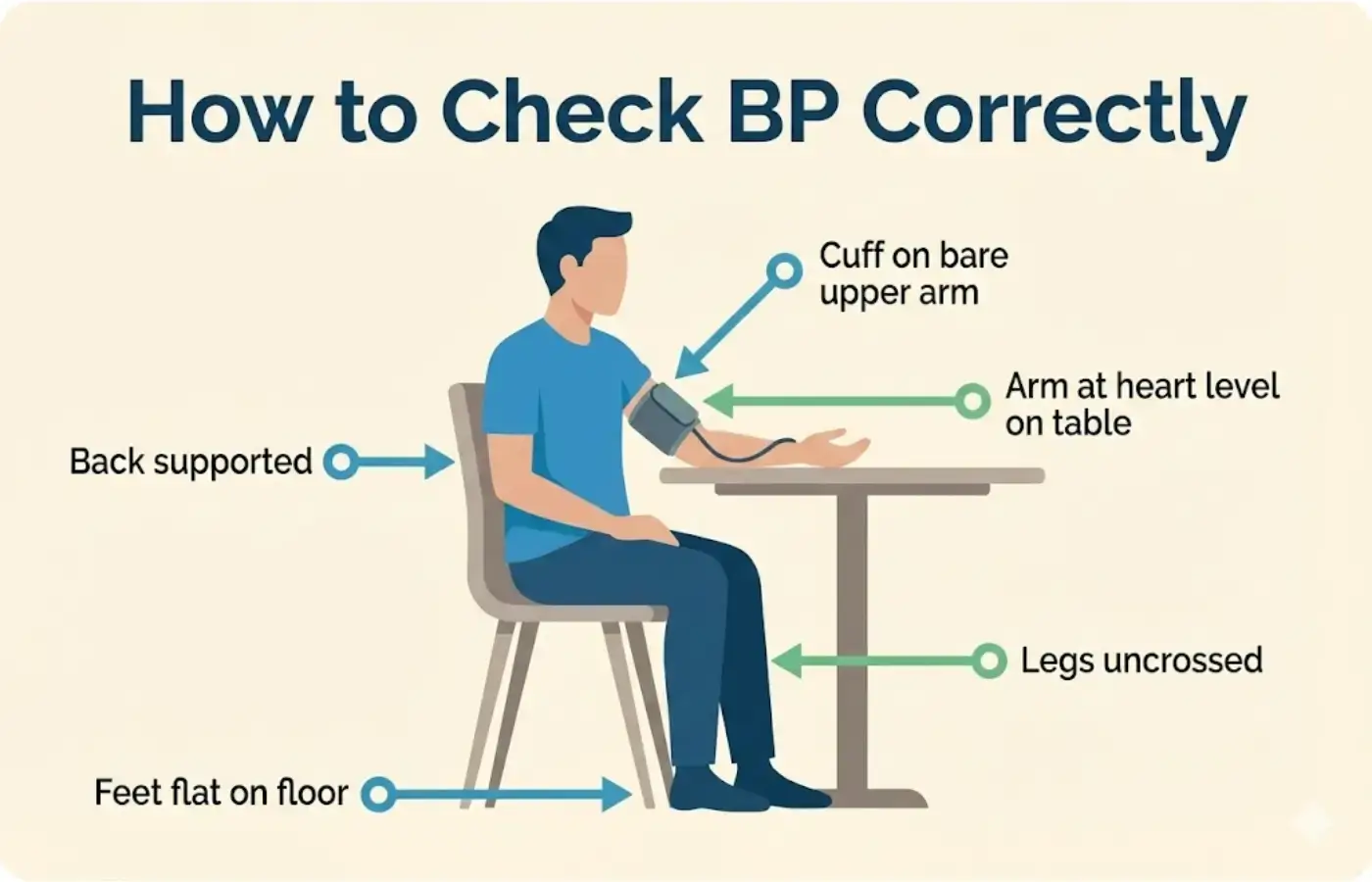
Infographic showing correct sitting position for blood pressure measurement
Correct position: feet flat, back supported, arm at heart level.

Bakit Maraming Pinoy ang Naniniwala Dito?

The "sakit sa batok = high blood" belief is deeply embedded in Filipino folk health culture. Possible reasons:

  • Anecdotal correlation: Some people notice headaches when BP is extremely elevated (hypertensive crisis).
  • Confirmation bias: If you check BP when you have a headache, you might find it elevated—but stress from the headache itself could contribute.
  • Cultural transmission: Older generations taught this as fact, and it persists.

Ano ang Sabi ng Research?

Most hypertension is asymptomatic—meaning walang symptoms. You can have dangerously high BP for years without feeling anything unusual.

Studies show:

  • Headaches are not a reliable indicator of blood pressure levels in most people.
  • Only in extreme cases (hypertensive crisis, usually BP >180/120) might severe headache occur—but this is a medical emergency, not a routine symptom.
  • The "silent killer" reputation exists because most people don't feel high BP.

Ang Problema: False Security

If you rely on "waiting for sakit sa batok," you may not discover hypertension until serious damage has occurred (stroke, heart attack, kidney damage). The only reliable way to know your BP is to measure it.

How to Check Your Blood Pressure Correctly at Home

  1. 1

    Rest for 5 minutes before measuring

    Sit quietly, don't talk, let your body calm down. Recent exercise, coffee, or stress can temporarily elevate BP.

  2. 2

    Use a validated home BP monitor

    Arm cuffs are more accurate than wrist monitors. Make sure the cuff size fits your arm.

  3. 3

    Sit correctly

    Feet flat on floor, back supported, arm at heart level on a table. Don't cross your legs.

  4. 4

    Measure at consistent times

    Morning and evening are common choices. Track trends over multiple readings, not just one.

  5. 5

    Record your readings

    Keep a log: date, time, systolic/diastolic, pulse. Bring this to your clinician.

  6. 6

    Know your target range

    Normal is generally <120/80. Elevated: 120-129/<80. Hypertension Stage 1: 130-139/80-89. Ask your clinician for your personal target.

  7. 7

    If consistently elevated, see a clinician

    One high reading doesn't mean hypertension. Multiple elevated readings warrant a checkup.

Other Causes of "Sakit sa Batok"

Back-of-head pain can have many causes unrelated to blood pressure:

  • Tension headache: from stress, poor posture, or screen time
  • Cervicogenic headache: from neck problems
  • Occipital neuralgia: nerve irritation at the base of skull
  • Dehydration or caffeine withdrawal
  • Eye strain

None of these are reliably detected by "feeling." If headaches are frequent or severe, see a clinician for proper evaluation.

What About Supplements?

If your BP is consistently elevated according to proper measurements, the first-line approach is usually:

  1. Lifestyle changes (diet, exercise, stress management, sleep)
  2. Medications if clinician-recommended
  3. Optional: some people explore heart/BP support supplements as an adjunct (not replacement)

For a breakdown of one 8-ingredient heart support formula, see: HeartWell Review Philippines (2026).

Bottom Line

"Sakit sa batok" is not a reliable indicator of blood pressure. The only way to know your BP is to measure it. Don't wait for symptoms—check regularly, especially if you have risk factors (family history, overweight, sedentary lifestyle, high salt intake).

Frequently Asked Questions

Totoo ba na sakit sa batok = high blood?
Hindi reliable. Most hypertension is asymptomatic. Check your BP with a monitor—don't rely on how you feel.
Kapag walang sintomas, okay na ang BP ko?
Hindi necessarily. Hypertension is called a "silent killer" because it often has no symptoms until serious damage occurs.
Paano ko malalaman kung mataas BP ko?
Use a validated home BP monitor. Measure correctly (rest first, sit properly, arm at heart level) and track over time.
Ano ang normal na blood pressure?
Generally <120/80 mmHg is normal. 120-129/<80 is elevated. 130+ or 80+ may indicate hypertension. Ask your clinician for your personal target.
Gaano kadalas dapat mag-check ng BP?
If you have risk factors or existing hypertension, check regularly (daily or as clinician advises). If healthy, at least during checkups.

References

  1. [1] CDC High Blood Pressure Facts: Source (Accessed: 2026-02-06)
  2. [2] WHO Hypertension fact sheet: Source (Accessed: 2026-02-06)
  3. [3] AHA Blood Pressure Monitoring: -- Source (Accessed: 2026-02-06)
Read HeartWell Review