

Filipino adult sitting on edge of bed, drinking water, looking steady after dizziness

Hilo at Parang Lulutang: Blood Pressure ba Ang Dahilan?

Dizziness has many causes—high BP, low BP, dehydration, ear problems, medications. Learn how to narrow it down and what to do next.

3 min read

Quick Answer (TL;DR)

Hilo (dizziness) can mean different things—and can come from both high AND low blood pressure:

  • High BP: Usually asymptomatic, but severe hypertension (hypertensive crisis) can cause dizziness with severe headache.
  • Low BP: More commonly causes dizziness, especially when standing up (orthostatic hypotension).
  • BP medication side effect: If your meds lower BP too much, you may feel lightheaded.
  • Non-BP causes: Dehydration, inner ear problems (BPPV), anemia, blood sugar issues, anxiety.

The only way to know if BP is the cause is to measure it during the episode (if safely possible).

🚨 Get urgent help now if dizziness comes with...

  • Severe headache, vision changes, confusion (possible hypertensive crisis)
  • Chest pain or shortness of breath
  • One-sided weakness, facial droop, trouble speaking (stroke signs)
  • Fainting or loss of consciousness

These are emergencies. Seek urgent care immediately.

Affiliate disclosure: This article may contain affiliate links.

For heart/BP support options, see: HeartWell Review Philippines (2026).
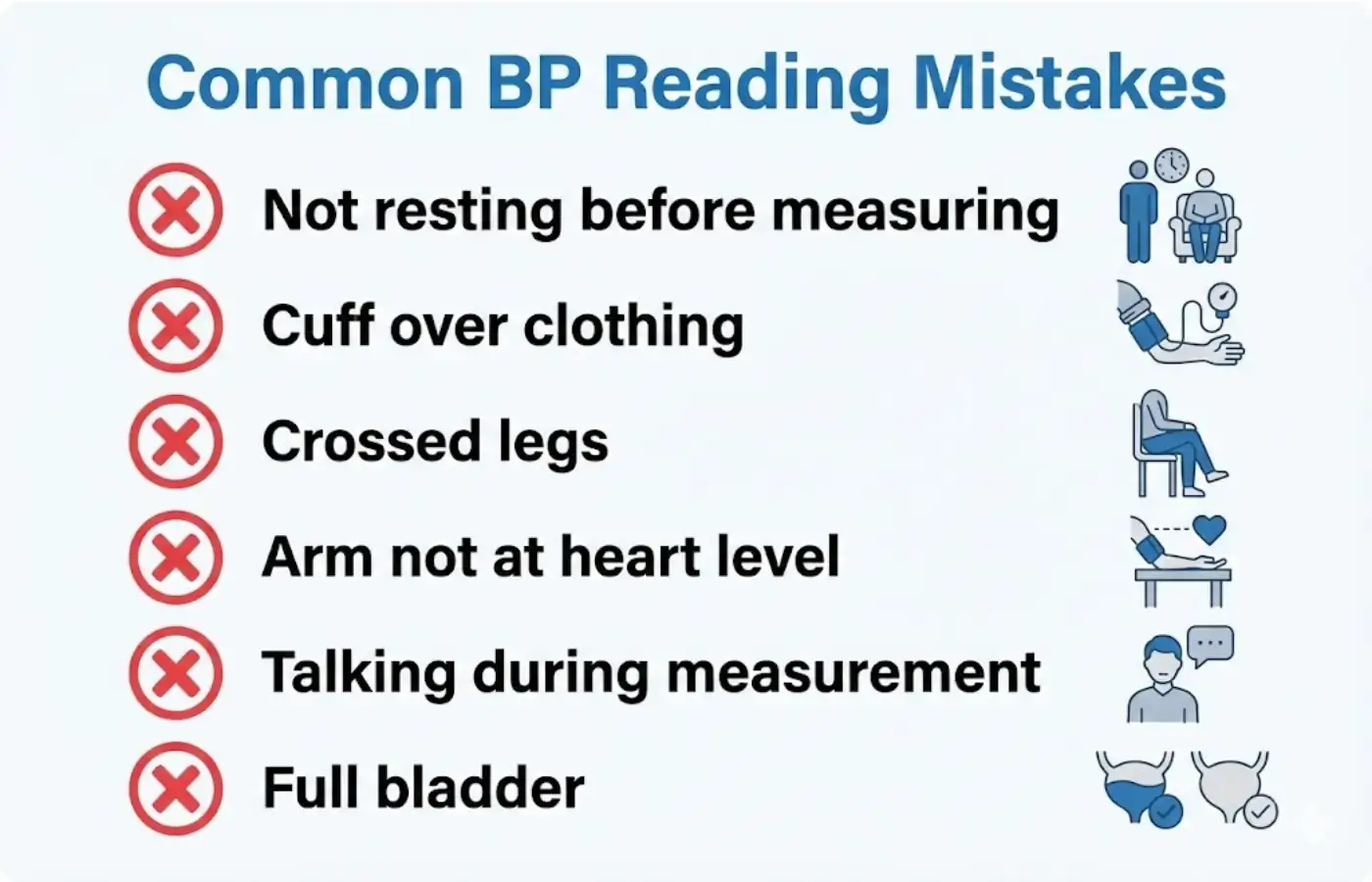
Infographic showing common mistakes when checking blood pressure at home
Avoid these mistakes for accurate readings.

Dizziness + Blood Pressure: What's the Connection?

1) Hypertensive crisis (very high BP)

When BP is extremely elevated (usually >180/120), you may experience severe headache, dizziness, vision changes, and confusion. This is a medical emergency.

But most high BP is silent—you won't feel regular hypertension.

2) Orthostatic hypotension (common)

Feeling dizzy when you stand up quickly? This is orthostatic hypotension—blood pressure drops temporarily when you change position.

Common causes:

  • BP medications (especially if dosed too high)
  • Dehydration
  • Prolonged bed rest
  • Age-related vascular changes

3) Medication-induced

Many BP medications can cause dizziness as a side effect—especially when starting or increasing dose. This often improves as your body adjusts.

4) Non-BP causes of dizziness

  • BPPV (inner ear): dizzy spells triggered by head movements
  • Dehydration: low fluid volume affects BP
  • Anemia: low red blood cells reduce oxygen delivery
  • Low blood sugar: especially in diabetics or with skipped meals
  • Anxiety: hyperventilation can cause lightheadedness

The Key: Measure Your BP During the Episode

If you feel dizzy and suspect BP is the cause, measure your BP (if safe to do so). This gives data to share with your clinician.

How to Assess Dizziness + BP Safely

  1. 1

    Stay safe first

    If dizzy, sit or lie down to avoid falling. Don't drive or operate machinery.

  2. 2

    Measure BP if possible

    Check your BP during the episode. Note: Is it unusually high? Unusually low? Normal?

  3. 3

    Check for orthostatic changes

    Measure BP lying down, then stand and measure again after 1-3 minutes. A drop of >20 systolic suggests orthostatic hypotension.

  4. 4

    Note other symptoms

    Severe headache? Chest pain? Hearing changes? This helps narrow down causes.

  5. 5

    Review your medications

    Are you on BP meds? New dosage? Other meds that affect BP (diuretics, etc.)?

  6. 6

    Check basics

    Hydration? Recent meals? Sleep? Caffeine/alcohol? These affect BP and dizziness.

  7. 7

    See a clinician if...

    Dizziness is recurrent, severe, comes with warning symptoms, or interferes with daily life.

Orthostatic Hypotension: Common but Manageable

If your dizziness happens mainly when standing up:

  • Rise slowly: sit on the edge of the bed for 30 seconds before standing
  • Stay hydrated: dehydration makes it worse
  • Review medications: BP meds, diuretics, and some antidepressants can contribute
  • Compression stockings: may help in some cases (ask clinician)

When Is Dizziness Serious?

Most dizziness is benign, but see a doctor if:

  • It's new, frequent, or getting worse
  • You've fainted or almost fainted
  • It comes with chest pain, shortness of breath, or neurological symptoms
  • It's affecting your daily activities

Supplements and BP

If your BP is consistently elevated and you're looking for optional support (alongside lifestyle and medications), some people explore heart/BP support supplements—but these are not treatments for low BP or dizziness.

For a breakdown of one 8-ingredient heart support formula, see: HeartWell Review Philippines (2026).

Bottom Line

"Hilo" can mean many things. Check your BP during episodes, note your symptoms, and see a clinician if it's recurrent or severe. Address basics first: hydration, slow position changes, medication review.

Frequently Asked Questions

Kapag nahihilo, mataas ba ang BP?
Not necessarily. Dizziness can come from high BP (rare, usually severe), low BP (common), or non-BP causes. Measure to know.
Ano ang orthostatic hypotension?
BP drop when you stand up too quickly. Common cause of dizziness, especially in older adults or those on BP meds.
Paano malalaman kung BP ang dahilan ng hilo?
Measure your BP during the episode. Compare to your usual readings. Note if it's markedly high or low.
Kapag low BP, what should I do?
Sit or lie down, hydrate, rise slowly. If recurrent or severe, see a clinician—your medications may need adjustment.
Pwede bang supplement ang remedy sa hilo?
Supplements aren't treatments for dizziness or BP emergencies. Address the underlying cause with your clinician.

References

  1. [1] Orthostatic Hypotension (Mayo Clinic): Source (Accessed: 2026-02-06)
  2. [2] AHA Home BP Monitoring: Source (Accessed: 2026-02-06)
  3. [3] CDC High Blood Pressure: -- Source (Accessed: 2026-02-06)
Read HeartWell Review