

Filipino office worker choosing between healthier snack and sweets, calm and thoughtful (sugar cravings context)

Bakit Laging Gusto ng Matamis? (Sugar Cravings Explained)

Hindi ka mahina. Sugar cravings have biological drivers—but they're manageable. This guide gives practical strategies that actually work.

2 min read

Quick Answer (TL;DR)

Sugar cravings aren't about willpower—they have biological triggers:

  • Blood sugar swings: eating refined carbs → spike → crash → craving
  • Sleep deprivation: tired brain seeks quick energy
  • Stress: cortisol increases sweet-seeking behavior
  • Habit loops: conditioned reward response

Best approach: address root causes (protein/fiber at meals, better sleep, stress management) rather than pure restriction.

🚨 When cravings may indicate something more

If cravings come with extreme thirst, frequent urination, fatigue, or unexplained weight loss—these could be blood sugar warning signs. See a clinician for testing.

Affiliate disclosure: This article contains affiliate links.

For blood sugar support options, see: GlucosTrol Review Philippines (2026).
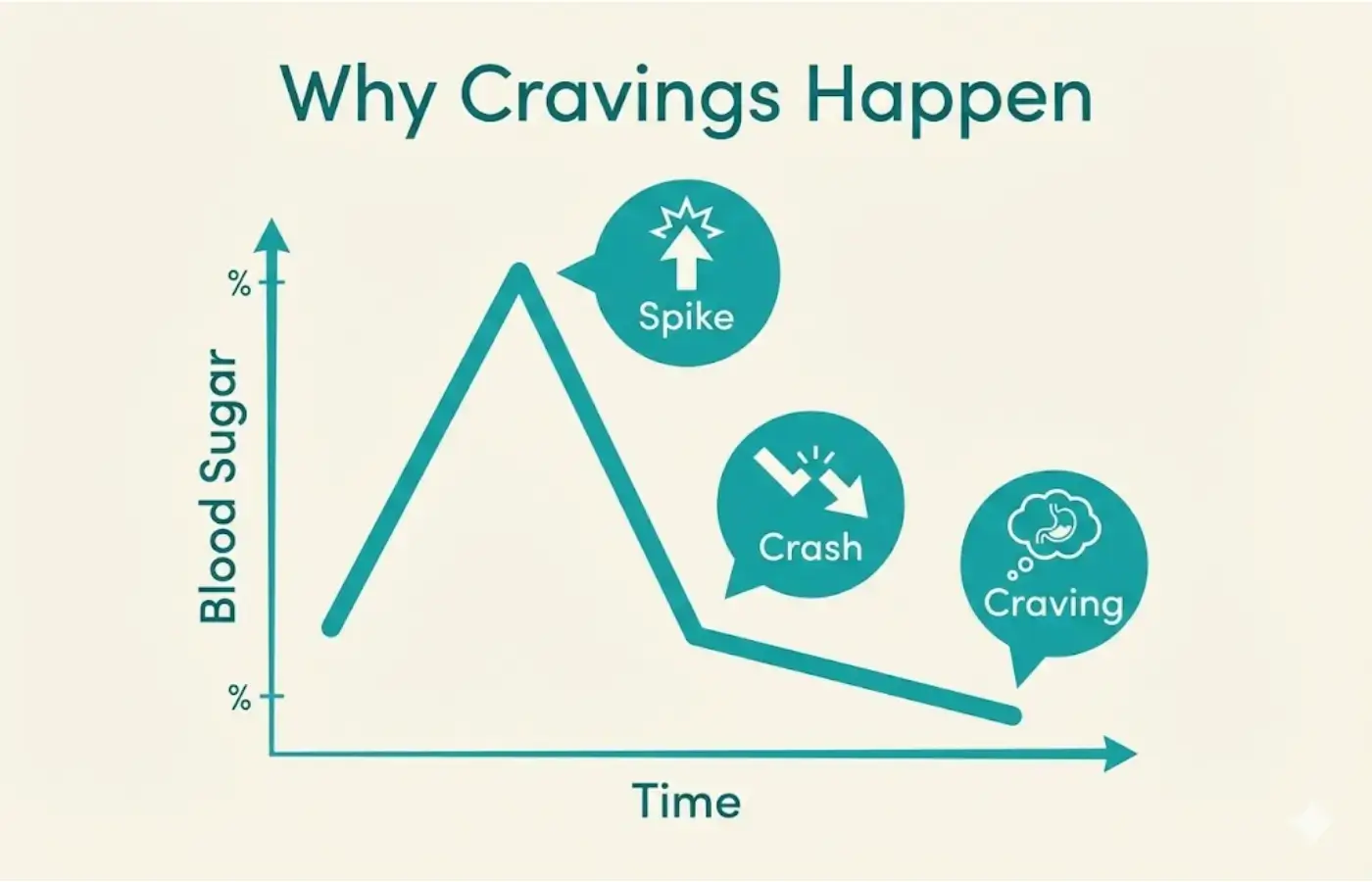
Simple infographic showing blood sugar spike then crash leading to cravings (educational)
The “roller coaster” is why cravings feel urgent.

The Science Behind Sugar Cravings

1) Blood sugar roller coaster

Refined carbs (white rice, bread, sweets) cause rapid blood sugar spikes. When insulin pushes it down fast, you get a "crash"—and your brain demands more sugar to bring levels back up. It's a cycle.

2) Dopamine response

Sugar triggers dopamine release (reward chemical). Over time, you need more to get the same satisfaction—similar to other habit-forming behaviors.

3) Sleep deprivation

Kulang sa tulog? Your brain seeks quick energy. Studies show sleep-deprived people crave high-calorie foods more intensely.

4) Stress and cortisol

Stress hormones increase cravings for "comfort foods"—usually sweet and fatty. This is partly why emotional eating feels hard to control.

5) Nutrient deficiencies

Some research suggests chromium, magnesium, or protein deficiency may contribute. Balanced meals help reduce cravings.

Cravings ≠ Weakness

Understanding the biology removes shame. The goal isn't perfection—it's building sustainable habits that reduce the intensity and frequency of cravings.

Practical Craving Management Strategies

  1. 1

    Add protein + fiber to every meal

    This slows glucose absorption, preventing the spike-crash cycle. Example: add egg to your rice, or kamote instead of white bread.

  2. 2

    Don't skip meals

    Skipping leads to blood sugar drops, which intensify cravings later. Regular balanced meals = stable energy.

  3. 3

    Sleep 7-8 hours

    Easier said than done, but sleep deprivation makes cravings much worse. Prioritize this first.

  4. 4

    Hydrate before reaching for sweets

    Sometimes thirst masquerades as craving. Drink water first, wait 10 minutes.

  5. 5

    Allow small treats (don't go cold turkey)

    Total restriction often leads to binge behavior. Small, mindful portions are more sustainable.

  6. 6

    Identify emotional triggers

    Stressed? Bored? Tired? Recognizing the trigger helps you choose a different response (walk, call a friend, etc.).

  7. 7

    Consider blood sugar support after basics are fixed

    If cravings persist despite good habits, some people explore supplements with Gymnema (known to reduce sweet taste) or chromium.

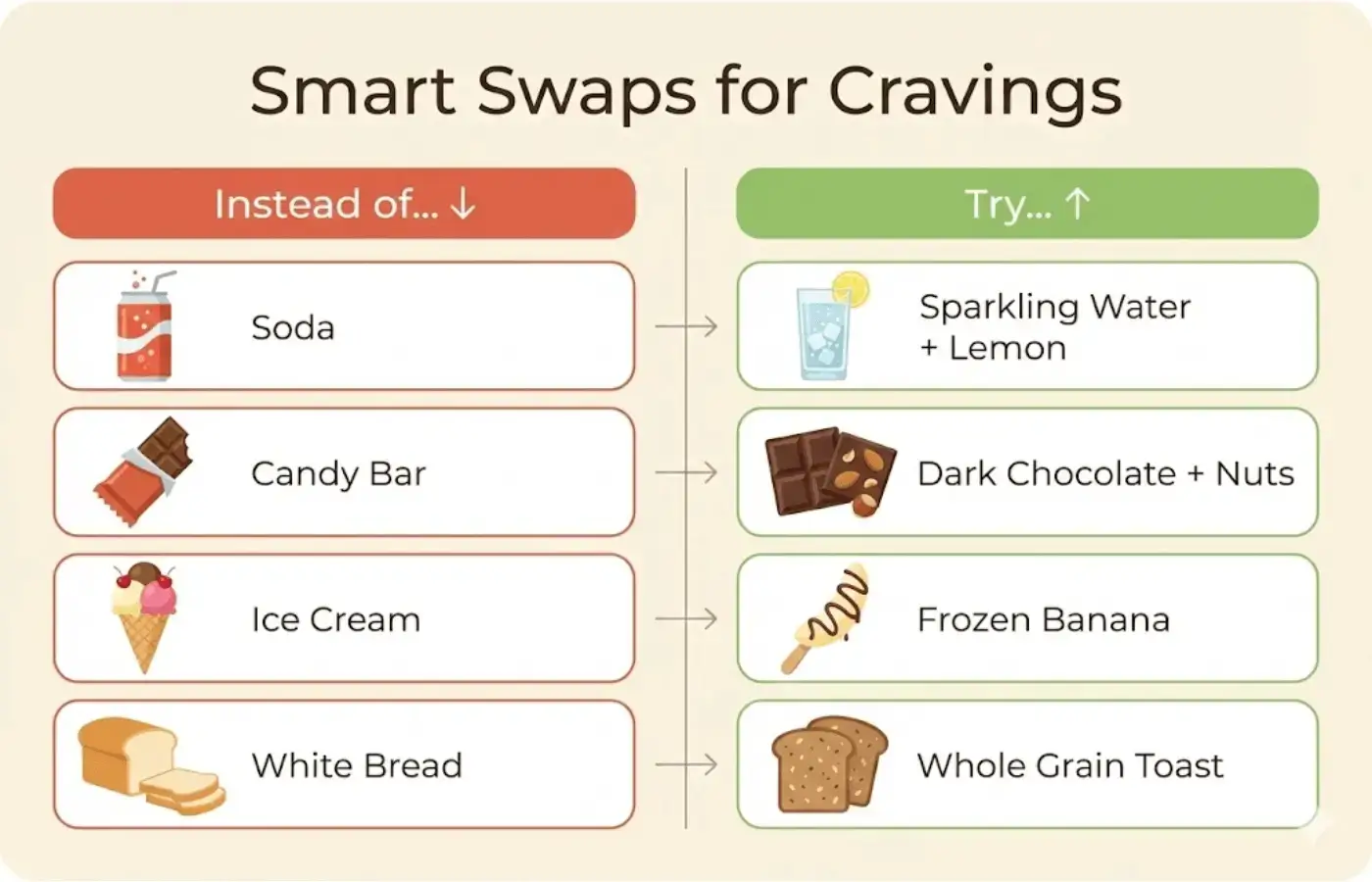
Infographic chart of smart swaps: soda to sparkling water, candy to dark chocolate and nuts, ice cream to frozen banana, white bread to whole grain toast
Smart swaps lower cravings while keeping life enjoyable.

Can Supplements Help with Cravings?

Once basics are in place (diet, sleep, stress management), some people explore support supplements:

  • Gymnema sylvestre: Called "gurmar" (sugar destroyer)—may reduce sweet taste perception, making sweets less appealing.
  • Chromium: Trace mineral involved in carbohydrate metabolism. Some studies suggest modest craving reduction.
  • Berberine: Studied for glucose regulation.

Important: Supplements are optional support, not magic. They work best alongside habits, not instead of them.

For a full breakdown of a 9-ingredient blood sugar support formula, see: GlucosTrol Review Philippines (2026).
Bottom Line

Sugar cravings have real biological drivers. Address root causes (balanced meals, sleep, stress), allow small treats, and consider support options once basics are stable. Hindi kailangan ng extreme restriction—sustainable habits win long-term.

Frequently Asked Questions

Bakit laging gusto ko ng matamis after meals?
Likely a blood sugar spike-crash pattern. Adding protein/fiber to meals helps stabilize energy.
Effective ba ang cold turkey approach?
For most people, total restriction backfires (leads to binge). Small, mindful portions are more sustainable.
Anong supplement para sa cravings?
Some people try Gymnema (reduces sweet taste) or chromium. These work best alongside diet changes, not instead of them.
Gaano katagal bago mawala ang cravings?
Varies. Some notice improvement in 1-2 weeks with stable blood sugar. Others take longer. Consistency matters more than speed.
Sign ba ng diabetes ang sugar cravings?
Not automatically. But if paired with extreme thirst, frequent urination, or fatigue—see a clinician for blood sugar testing.

References

  1. [1] CDC Diabetes basics: Source (Accessed: 2026-02-06)
  2. [2] Gymnema for sweet taste suppression: Source (Accessed: 2026-02-06)
  3. [3] Chromium meta-analysis (glycemic control): Source (Accessed: 2026-02-06)
Read GlucosTrol Review