

Filipino adult awake at night sitting on bed, tired and thinking (nocturia context)

Ihi ng Ihi sa Gabi: Bakit Nangyayari Ito?

Kung 2-3+ beses kang nagigising para umihi every night, hindi lang "maraming tubig" ang dahilan. This guide explains common causes—at kung kailan dapat mag-alala.

3 min read

Quick Answer (TL;DR)

Kung madalas kang nagigising para umihi sa gabi (2+ times per night), this is called nocturia. It's common but not always "normal."

  • Common causes: fluid intake before bed, caffeine/alcohol, enlarged prostate (older men), UTI, sleep apnea, or elevated blood sugar.

  • Blood sugar connection: When glucose is high, kidneys work harder to filter it → more urine → more bathroom trips.

  • Best action: track patterns, try timing adjustments, and consult a clinician if it's persistent or accompanied by other symptoms.

🚨 Get urgent help now if...

  • Blood in urine or severe pain

  • Fever with urinary symptoms

  • Confusion, extreme thirst + weight loss (possible DKA signs)

  • Unable to urinate at all

These may indicate something serious. Seek urgent medical care.

Affiliate disclosure: This article contains affiliate links. If you purchase through them, we may earn a commission at no extra cost to you.

For a full breakdown of blood sugar support options, see: GlucosTrol Review Philippines (2026).
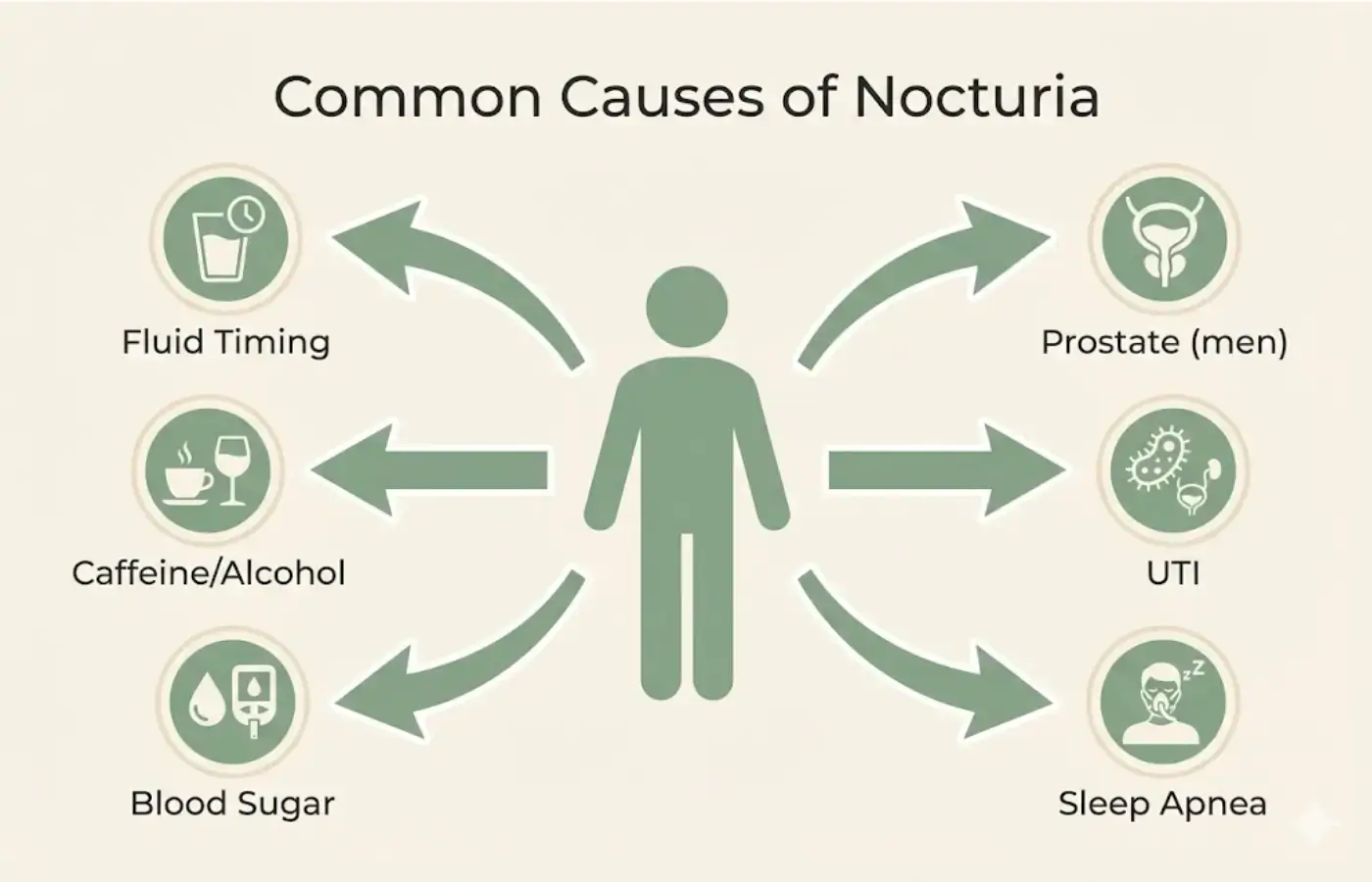
Infographic listing common causes of nocturia: fluid timing, caffeine, blood sugar, prostate, UTI, sleep apnea
Nocturia can have many causes—blood sugar is only one possibility.

Bakit Kayo Nagigising Para Umihi? (Common Causes)

1) Fluid timing

Drinking lots of water, soup, or fruit close to bedtime = more urine production at night. Try cutting fluids 2-3 hours before bed.

2) Caffeine and alcohol

Both are diuretics—they make you pee more. Evening coffee or beer can lead to 3AM bathroom trips.

3) Elevated blood sugar (diabetes connection)

When blood glucose is high, the kidneys filter out excess sugar → you produce more urine. This is why polyuria (excessive urination) is a classic symptom of uncontrolled diabetes. Kasama sa symptoms: extreme thirst, unexplained weight loss, fatigue.

4) Enlarged prostate (older men)

The prostate can press on the urethra, making it harder to fully empty the bladder → more frequent urination.

5) UTI or kidney issues

Infections can increase urgency and frequency. Watch for burning sensation, cloudy urine, or fever.

6) Sleep apnea

If you also snore loudly and feel tired despite "enough" sleep, sleep apnea can cause nocturnal urination through hormonal changes.

Hindi automatic na may sakit ka—pero signal ito

Nocturia alone doesn't mean diabetes or kidney disease. But if it's new, persistent, or comes with other symptoms, it deserves attention.

Self-Assessment + Safe Next Steps

  1. 1

    Track your pattern for 1 week

    Note: how many times per night? What did you drink/eat before bed? Any other symptoms?

  2. 2

    Adjust fluid timing

    Cut fluids 2-3 hours before bedtime. Limit caffeine/alcohol in the evening.

  3. 3

    Check for other symptoms

    Extreme thirst? Unexplained weight loss? Fatigue? Blurry vision? These may suggest blood sugar issues.

  4. 4

    Visit a clinician if...

    Pattern persists for 2+ weeks, blood in urine, pain, or other concerning symptoms.

  5. 5

    Ask about fasting blood sugar or HbA1c

    If blood sugar is a concern, these tests can provide clarity.

  6. 6

    Don't self-diagnose

    Google can suggest possibilities, but only proper testing confirms what's happening.

Kung Suspected Blood Sugar Issue...

If your clinician confirms elevated blood sugar (prediabetes or type 2 diabetes), the goal is usually:

  1. Lifestyle changes first: balanced meals, regular activity, weight management

  2. Medications if needed: prescribed by your doctor (metformin, etc.)

  3. Optional support: some people explore blood sugar support supplements as an adjunct, not a replacement

If you're curious about supplement options, read the full breakdown: GlucosTrol Review Philippines (2026).

Bottom Line

"Ihi ng ihi sa gabi" isn't automatically diabetes—but it's worth checking, especially if persistent or paired with other symptoms. Simple adjustments (fluid timing, less caffeine) may help. If not, see a clinician for proper testing.

Frequently Asked Questions

Normal ba ang 2 beses na pag-ihi sa gabi?
Once or twice may be normal, especially if you drank a lot before bed. 3+ times consistently may warrant a checkup.
Bakit mas madalas umihi ang mga diabetic?
Elevated blood sugar causes kidneys to work harder filtering glucose, producing more urine.
Paano malalaman kung blood sugar ang problema?
Fasting blood sugar or HbA1c tests. See a clinician for proper testing—don't rely on symptoms alone.
Ano ang ibang symptoms ng diabetes?
Extreme thirst, unexplained weight loss, fatigue, blurry vision, slow wound healing, tingling in hands/feet.
Kailangan ko ba ng supplement?
Supplements are optional support, not treatment. Fix basics first (diet, activity) and consult a clinician.

References

  1. [1] WHO Diabetes fact sheet Source (Accessed: 2026-02-04)
  2. [2] CDC Diabetes basics Source (Accessed: 2026-02-04)
  3. [3] Nocturia overview Source (Accessed: 2026-02-04)
Read GlucosTrol Review