

Filipino adult in consultation with doctor reviewing a health chart (HbA1c education context)

Ano ang HbA1c Test? (Taglish Explainer)

Bakit every 3 months ipinapakuha ito ng doctor mo? This guide explains HbA1c in plain language—what it measures, normal ranges, and what your results mean.

3 min read

Quick Answer (TL;DR)

The HbA1c test (also called A1C or hemoglobin A1c) measures your average blood sugar over the past 2-3 months. It's a "bigger picture" test—not affected by what you ate yesterday.

📊 Quick Reference Ranges

CategoryHbA1c Range
NormalBelow 5.7%
Prediabetes5.7% – 6.4%
Diabetes6.5% or higher

Note: These are general guidelines. Your clinician interprets results based on your full health picture.

🚨 When to seek urgent care

If you have extreme thirst, frequent urination, confusion, fruity breath, or difficulty breathing—these could indicate a blood sugar emergency. Seek medical care immediately.

Affiliate disclosure: This article contains affiliate links.

For blood sugar support options, see: GlucosTrol Review Philippines (2026).
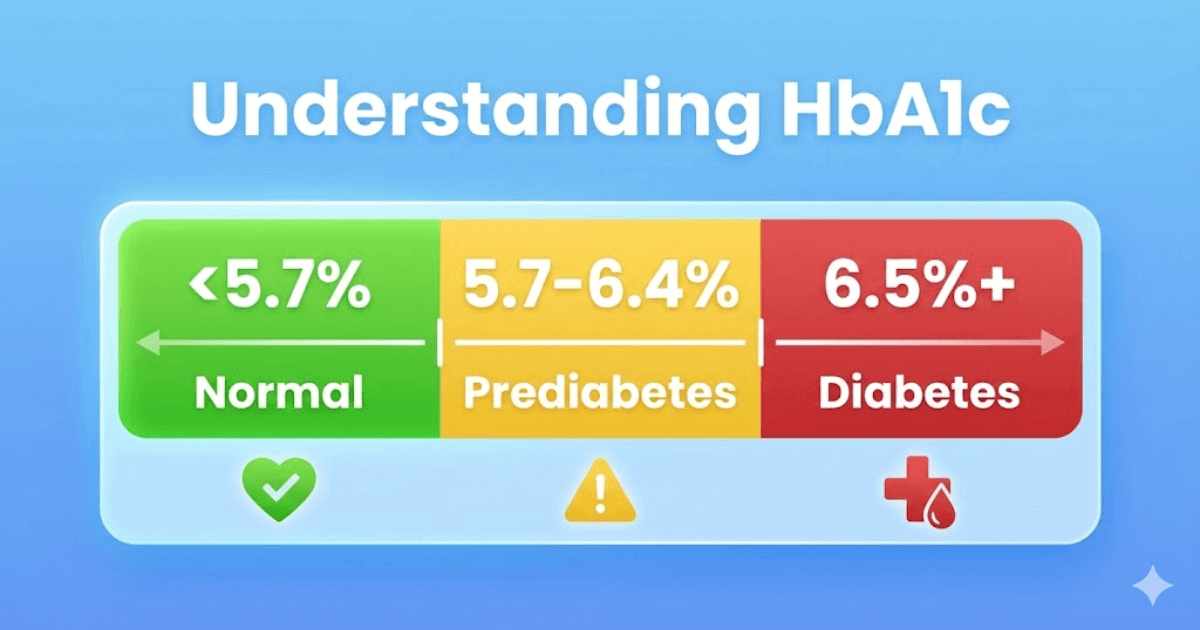
HbA1c reference ranges chart (normal, prediabetes, diabetes) with clear labels
Use ranges for context—your clinician sets your personal target.

Paano Gumagana ang HbA1c Test?

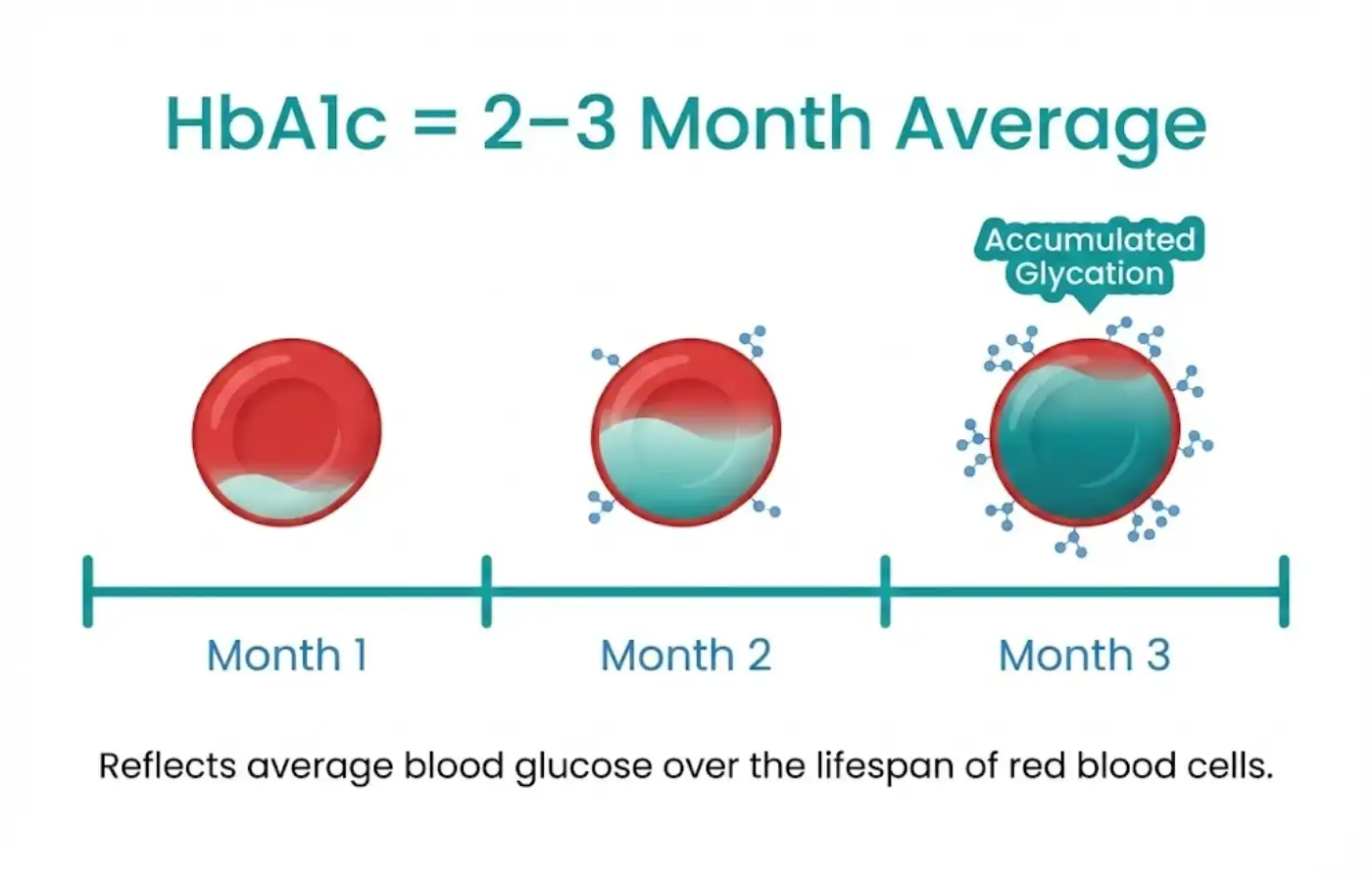
Glucose binds to hemoglobin (red blood cells). The more glucose in your blood over time, the more "glycated" hemoglobin you have. Since red blood cells live about 3 months, the test reflects your average glucose level during that period.

Why HbA1c matters more than fasting glucose alone

  • Fasting glucose: snapshot of one moment
  • HbA1c: 3-month average, harder to "study for" the test

Doctors use HbA1c to:

  1. Diagnose prediabetes or diabetes
  2. Monitor how well your management plan is working
  3. Make decisions about medications or lifestyle adjustments

Understanding Your Results

Below 5.7%: Normal range

Your average blood sugar is in healthy territory. Maintain good habits.

5.7% – 6.4%: Prediabetes zone

Higher than ideal but not "diabetic" yet. This is the prevention window—lifestyle changes now can delay or prevent diabetes.

6.5% or higher: Diabetes range

Sustained high blood sugar levels. Your clinician will discuss treatment options (lifestyle, medications, or both).

Targets for people with diabetes

Many clinicians aim for <7% for adults with diabetes, but targets vary based on age, health status, and complications. Always follow your doctor's personalized recommendation.

How to Prepare + What to Do With Results

  1. 1

    No fasting required

    Unlike fasting blood glucose, you can eat normally before an HbA1c test. It measures the 3-month average.

  2. 2

    Request a copy of your results

    Don't just hear "okay" or "high." Get the actual percentage and track it over time.

  3. 3

    If prediabetes (5.7-6.4%)

    This is the action window. Small changes—balanced meals, daily movement, weight management—can make a real difference.

  4. 4

    If diabetes (6.5%+)

    Work with your clinician on a management plan. Medications may be part of it. Don't skip prescriptions.

  5. 5

    Retest every 3 months (or as recommended)

    HbA1c tracks progress over time. Consistent improvement shows your plan is working.

  6. 6

    Consider optional support

    Some people explore blood sugar support supplements as an adjunct—after basics are in place.

Simple infographic showing HbA1c as a 2–3 month average of blood sugar (red blood cells timeline)
HbA1c is not yesterday’s meal—it’s the recent average over time.

How to Improve Your HbA1c

Whether you're in prediabetes or working on better control:

  1. Balanced meals: focus on fiber, protein, healthy fats. Reduce refined carbs and sugary drinks.
  2. Regular activity: even 30-minute daily walks help with glucose uptake.
  3. Medication adherence: if prescribed metformin or other meds, take them as directed.
  4. Sleep and stress: both affect blood sugar. Prioritize rest and stress management.
  5. Optional support: some explore supplements with ingredients like Berberine, Gymnema, or Chromium—studied for glucose support.

For a breakdown of one 9-ingredient formula, see: GlucosTrol Review Philippines (2026).
Bottom Line

HbA1c is your "blood sugar report card" for the past 3 months. Knowing your number—and what it means—empowers you to take action. If you're in prediabetes, this is your prevention window. If you have diabetes, it helps track your progress.

Frequently Asked Questions

Kailangan bang mag-fasting bago HbA1c test?
Hindi. HbA1c measures average blood sugar over 3 months, not what you ate today.
Gaano kadalas dapat i-test ang HbA1c?
Usually every 3 months if managing diabetes, or at least yearly for screening. Follow your clinician's advice.
Anong magandang target na HbA1c?
For many people with diabetes, clinicians target <7%. But targets vary by individual—ask your doctor.
Pwede bang bumaba ang HbA1c with lifestyle alone?
Yes, especially in prediabetes. Diet, activity, and weight loss can significantly improve HbA1c.
Ano ang pinagkaiba ng fasting glucose at HbA1c?
Fasting glucose is a snapshot of one moment. HbA1c is a 3-month average—harder to "fake" with one good day.

References

  1. [1] WHO Diabetes fact sheet: Source (Accessed: 2026-02-06)
  2. [2] CDC Diabetes basics: Source (Accessed: 2026-02-06)
  3. [3] ADA Standards of Medical Care: Source (Accessed: 2026-02-06)
Read GlucosTrol Review